What Happens If You Don't Install Gutters
Your home could experience significant issues if you don't have rain gutters installed.
What Happens If You Don’t Have Gutters? Foundation, Landscaping, and Roof Damage Explained
Some homeowners assume gutters are optional.
We hear it more often than you might think at Golden Gutter Pros, especially from people who recently moved to Central Texas or bought a newer home:
“Do I really need gutters?”
“The house didn’t have them when I bought it.”
“Water just runs off the roof anyway, right?”
The truth is, gutters are one of the most important systems protecting your home, especially in Austin and the surrounding Central Texas area. When a home doesn’t have gutters—or has gutters that aren’t working properly—water goes exactly where it wants to go. And over time, that can cause serious damage.
In this article, we’ll break down:
- What actually happens when a home doesn’t have gutters
- How water affects foundations, landscaping, and roofs
- Why Central Texas homes are especially vulnerable
- Common myths about going without gutters
- What homeowners can do to protect their homes
This isn’t about scare tactics—it’s about understanding how water behaves and why proper drainage matters.
Why Gutters Exist in the First Place
At a basic level, gutters are designed to control roof runoff.
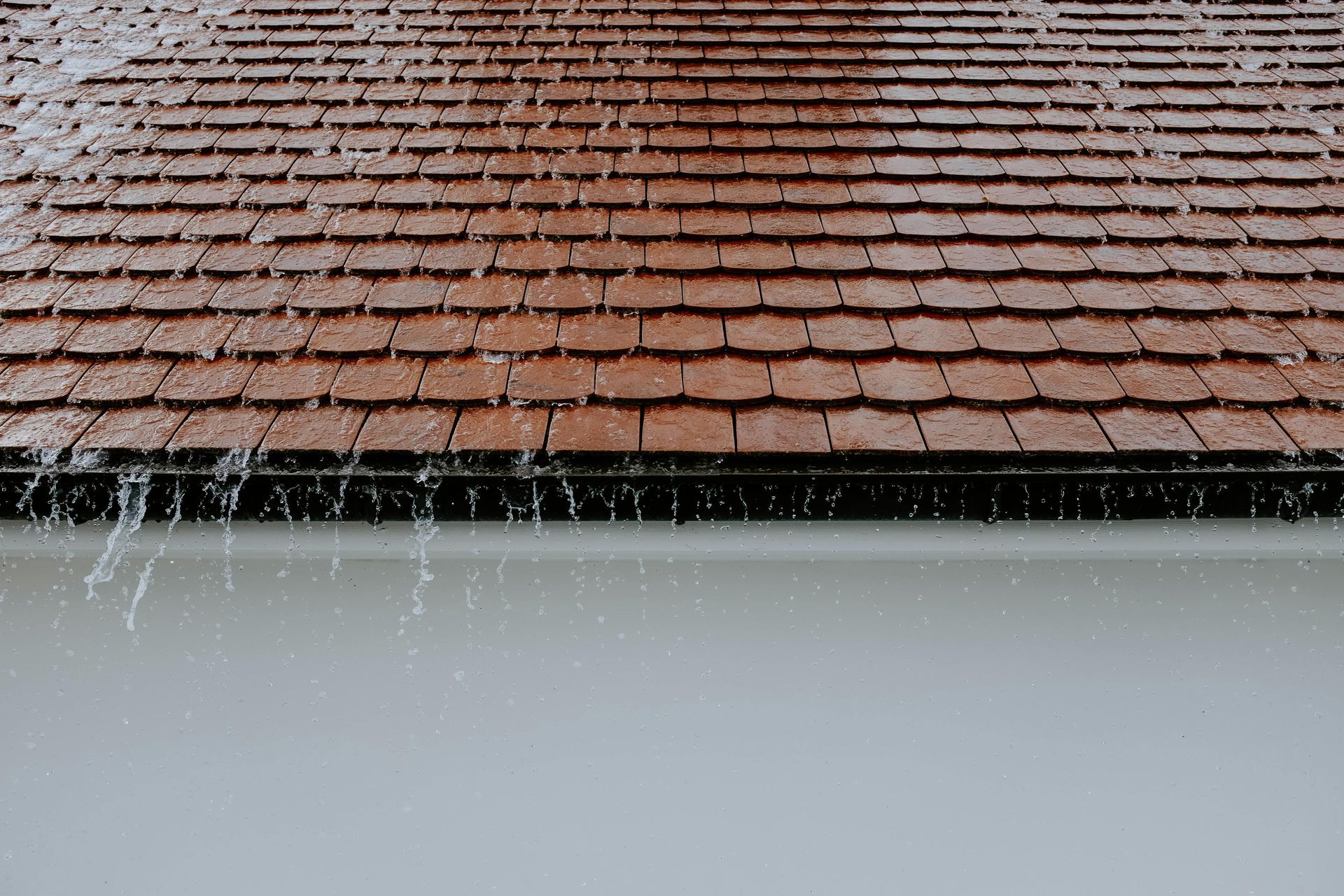
When rain hits your roof, it doesn’t gently drip down. It accelerates, gathers volume, and dumps off the edges with surprising force. Gutters catch that water and direct it safely away from your home through downspouts.
Without gutters, water:
- Falls directly next to the foundation
- Splashes against siding and trim
- Erodes soil and landscaping
- Soaks into areas never designed for constant moisture
Over time, gravity and water always win.
Why Central Texas Homes Are at Higher Risk Without Gutters
Some regions can get away with minimal gutter systems. Central Texas is not one of them.
Homes in Austin, Georgetown, Round Rock, Cedar Park, Bastrop, and nearby areas face unique challenges:
- Intense, short-duration rainstorms
- Flash flooding
- Clay-heavy soils that expand and contract
- Long dry periods followed by heavy rain
- High heat that stresses building materials
When large amounts of water hit the ground near your home all at once, the effects add up quickly.
Foundation Damage: The Biggest Risk of No Gutters
If there’s one reason gutters matter more than anything else, it’s foundation protection.
How Water Affects Foundations
Foundations are designed to stay relatively dry and stable. When water constantly falls next to them, problems begin.
In Central Texas, many homes sit on clay soils. These soils:
- Expand when wet
- Shrink when dry
This constant expansion and contraction puts stress on the foundation.
What Happens Without Gutters
When water dumps off the roof:
- Soil near the foundation becomes oversaturated
- Moisture levels become uneven around the home
- The slab or piers experience differential movement
Over time, this can cause:
- Foundation cracks
- Doors and windows sticking
- Uneven floors
- Cracked brick or drywall
Foundation repairs can easily cost tens of thousands of dollars. Gutters are a relatively small investment that helps prevent these issues.
Soil Erosion and Landscaping Damage
Even if your foundation is holding up fine, water runoff still causes visible damage.
How Roof Runoff Affects Landscaping
Without gutters:
- Water falls in concentrated streams
- Soil washes away from flower beds
- Mulch is displaced
- Trenches form along the roofline
After a few heavy storms, you may notice:
- Exposed roots
- Washed-out garden beds
- Bare patches near the house
Why This Matters Long-Term
Erosion doesn’t just look bad—it changes how water flows around your home. As soil washes away, water finds new paths, often straight toward the foundation.
Landscaping repairs add up quickly, and without addressing runoff, the problem keeps coming back.
Damage to Siding, Brick, and Exterior Surfaces
Homes without gutters often show signs of water damage on the exterior long before interior problems appear.
Common Exterior Issues
- Water stains on siding or brick
- Mildew or algae growth
- Peeling or bubbling paint
- Rotting wood trim
These issues are especially common on homes with:
- Wood siding or trim
- Painted fascia boards
- Stucco or masonry finishes
Why This Happens
Water constantly splashing against the exterior:
- Breaks down protective coatings
- Soaks into porous materials
- Creates ideal conditions for mold and mildew
Over time, cosmetic damage turns into structural damage.
Roof and Fascia Damage Without Gutters
Many homeowners don’t realize that gutters also help protect the roof itself.
What Gutters Do for Your Roof
Properly installed gutters:
- Reduce water pooling at roof edges
- Protect fascia boards
- Prevent water from backing up under shingles
Without gutters, water repeatedly hits the same areas along the roofline.
Common Problems We See
- Rotted fascia boards
- Damaged roof decking at edges
- Premature shingle wear
- Ice-like damage patterns from repeated saturation (even without freezing)
Once fascia boards rot, gutters can’t be securely installed without repairs—adding cost and complexity later.
Basement, Crawl Space, and Slab Moisture Issues
Even homes without basements aren’t immune to moisture problems.
How Water Travels
Water doesn’t just disappear into the ground. It:
- Moves laterally through soil
- Seeks the path of least resistance
- Finds cracks, seams, and weak points
Homes without gutters often experience:
- Damp crawl spaces
- Musty odors
- Increased humidity
- Mold growth in hidden areas
Moisture issues can impact indoor air quality and long-term structural health.
Pest Problems Caused by Poor Drainage
Standing water and damp areas attract pests.
Common Issues Around Homes Without Gutters
- Mosquitoes breeding near foundations
- Ants and termites drawn to moisture
- Rodents nesting in softened soil or damaged trim
Termites are especially concerning in Central Texas, where moisture near wood structures increases risk.
“But My House Never Had Gutters” – Common Myths Explained
We hear these statements often. Let’s clear them up.
Myth #1: “My house was built without gutters, so it must be fine”
Many builders leave gutters off to reduce costs. That doesn’t mean the home doesn’t need them—it just means drainage wasn’t prioritized during construction.
Myth #2: “The ground slopes away from my house”
Proper grading helps, but it doesn’t replace gutters. During heavy storms, water volume overwhelms grading alone.
Myth #3: “Gutters just clog and cause problems”
Poorly designed or maintained gutters cause problems. Properly installed seamless systems prevent them.
Are There Any Situations Where Gutters Aren’t Necessary?
There are rare exceptions, such as:
- Homes with very large overhangs
- Properties with specialized drainage systems
- Certain architectural designs with integrated water control
However, these are the exception—not the rule. The vast majority of Central Texas homes benefit significantly from properly installed gutters.
How Seamless Gutters Solve These Problems
Seamless gutter systems are especially effective for controlling runoff.
Benefits of Seamless Gutters
- Fewer leak points
- Better water flow
- Reduced clogging
- Cleaner appearance
- Longer lifespan
For homes in Austin and surrounding areas, seamless aluminum gutters are one of the most reliable solutions available.
What Homeowners Should Do If Their Home Has No Gutters
If your home doesn’t have gutters—or has only partial coverage—here’s a smart approach.
Step 1: Evaluate Water Flow
Watch what happens during a rainstorm:
- Where does water land?
- Does it pool near the foundation?
- Is soil washing away?
Step 2: Get a Professional Assessment
A professional can:
- Identify vulnerable areas
- Recommend proper gutter sizing
- Design a system for your roofline and drainage needs
Step 3: Install a System Designed for Central Texas Weather
Proper sizing, slope, and downspout placement matter just as much as the gutter itself.
Why Central Texas Homeowners Trust Golden Gutter Pros
At Golden Gutter Pros, we’ve helped homeowners across Austin, Georgetown, Round Rock, Cedar Park, Bastrop, and nearby communities protect their homes from water damage.
We understand:
- Local weather patterns
- Soil conditions
- Roofing styles common in the area
Our approach is simple: design gutter systems that work—not just look good.
Final Thoughts: Gutters Aren’t Optional Protection
What happens if you don’t have gutters?
Over time, water damages:
- Foundations
- Landscaping
- Roof edges
- Exterior surfaces
- Crawl spaces and interiors
Gutters are one of the most cost-effective ways to protect your home from water-related damage—especially in Central Texas.
If your home doesn’t have gutters or you’re unsure whether your current system is doing its job, understanding the risks is the first step toward protecting what matters most.
Get a Free Quote Today