
7 Signs Your Gutters Are Failing
Are you concerned your rain gutters might have problems? Keep reading for more information!
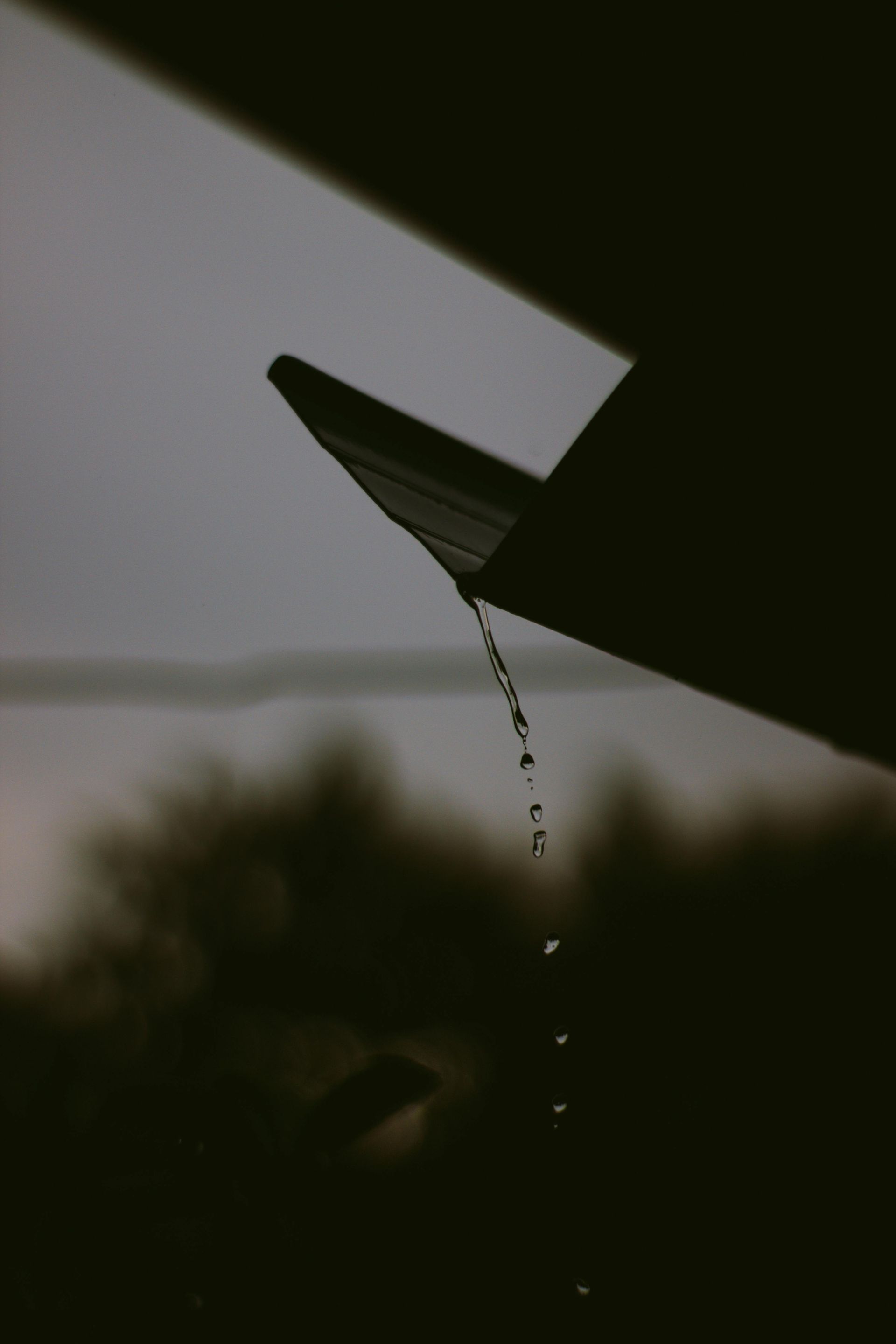
7 Signs Your Gutters Are Failing (And What Austin Homeowners Should Do About It)
Most homeowners don’t think much about their gutters—until something goes wrong.
At Golden Gutter Pros, we see it all the time across Austin, Georgetown, Round Rock, Cedar Park, Bastrop, and the surrounding Central Texas area. A homeowner calls because they notice water pooling near their foundation, stains on their siding, or soil washing away after a storm. Almost always, the root of the problem comes back to one thing: failing gutters.
The tricky part? Gutters rarely fail all at once. They usually show warning signs long before serious damage happens. Knowing what to look for can save you thousands in repairs and help protect your home from water damage, foundation issues, and rot.
In this guide, we’ll walk through seven clear signs your gutters are failing, explain why they happen, and tell you what to do next—specifically for homes in Central Texas.
Why Gutter Problems Are a Big Deal in Central Texas
Before diving into the signs, it’s important to understand why gutters matter so much in our area.
Central Texas weather is tough on homes. We deal with:
- Heavy downpours and flash flooding
- Long dry spells followed by intense storms
- High heat that causes materials to expand and contract
- Tree debris from oaks, pecans, and cedars
When gutters don’t function properly, water doesn’t just disappear—it goes where it shouldn’t. Over time, that can lead to:
- Foundation movement and cracking
- Fascia and soffit rot
- Roof leaks
- Landscape erosion
- Mold and mildew issues
Spotting gutter problems early makes all the difference.
1. Water Overflowing During Rainstorms
One of the most obvious signs of failing gutters is water spilling over the sides during a rainstorm.
A little splash during a heavy downpour might not seem alarming, but consistent overflow is a red flag.
What Causes Gutter Overflow?
Overflow usually happens because:
- Gutters are clogged with leaves, dirt, or shingle grit
- Gutters are undersized for the roof area
- The slope (pitch) is incorrect
- Downspouts are blocked or insufficient
In Austin and surrounding areas, tree debris is a major contributor. Even homes without large trees nearby can experience buildup from wind-blown debris.
Why It’s a Problem
When water spills over the gutter edge, it often lands:
- Right next to your foundation
- On siding or brick
- Onto landscaping
Over time, this can lead to foundation issues, staining, and soil erosion.
What Homeowners Should Do
If you notice overflow:
- Inspect gutters after storms
- Check for visible clogs or sagging sections
- Consider whether your system is properly sized
If overflow happens even when gutters are clean, it may be time for a professional evaluation.
2. Sagging or Pulling Away From the House
Gutters should sit tight against the fascia board in a clean, straight line. If you notice sections sagging, bowing, or pulling away, that’s a sign the system is failing.
Common Causes of Sagging Gutters
- Heavy debris buildup
- Standing water from improper slope
- Loose or failing fasteners
- Rotted fascia board
Older sectional gutter systems are especially prone to this, since seams and brackets weaken over time.
Why This Matters
Sagging gutters don’t drain properly. Water collects in low spots, adding weight and making the problem worse. Eventually, gutters can:
- Separate completely from the house
- Damage fascia and soffits
- Pull roofing materials loose
What to Do Next
Minor sagging may be repairable, but widespread issues often indicate:
- Improper installation
- Aging materials
- A system that’s reached the end of its lifespan
A professional inspection can determine whether repairs or replacement make more sense.
3. Visible Cracks, Holes, or Rust Spots
Gutters are exposed to the elements 24/7, so some wear is expected. However, visible damage is a clear sign of failure.
What to Look For
- Cracks, even small ones
- Pinholes leaking water
- Rust spots or corrosion
- Splitting at seams
In Central Texas heat, materials expand and contract constantly, which accelerates cracking—especially in older gutters.
Why Small Damage Isn’t “No Big Deal”
Tiny cracks and holes grow over time. Water escaping through them can:
- Rot fascia boards
- Stain siding or brick
- Create mold-prone areas
Seams are especially vulnerable, which is why seamless gutters are so popular for Austin homes.
Best Course of Action
If damage is limited, repairs may help temporarily. But if cracks or rust appear in multiple sections, replacement is often the smarter long-term investment.
4. Peeling Paint or Water Stains on Your Home
Your gutters are designed to move water away quietly and efficiently. When they fail, your house often shows the evidence.
Signs on Your Exterior
- Peeling or bubbling paint near rooflines
- Dark streaks on siding
- Water stains beneath gutters
- Mildew or algae growth
These signs are especially common after heavy storms or long rainy periods.
Why This Happens
Failing gutters allow water to:
- Run down the exterior walls
- Sit against wood trim
- Soak into materials not designed for constant moisture
Over time, this leads to rot, mold, and expensive cosmetic repairs.
What Homeowners Should Do
Exterior staining is a warning sign. Addressing gutter issues early can prevent much larger repair bills down the road.
5. Pooling Water or Erosion Around the Foundation
This is one of the most serious—and most overlooked—signs of gutter failure.
What to Look For
- Puddles near your foundation after rain
- Soil washing away around the house
- Mulch displaced or trenches forming
- Water flowing toward the slab instead of away
In areas like Georgetown, Round Rock, and Bastrop, where soil conditions can already be challenging, this becomes even more critical.
Why It’s Dangerous
Excess water near the foundation can cause:
- Soil expansion and contraction
- Foundation shifting or cracking
- Long-term structural damage
Gutters play a key role in directing water safely away from your home.
Immediate Steps
If you see water pooling:
- Check downspout placement
- Ensure water is being carried far enough away
- Schedule a professional gutter evaluation
Foundation repairs are far more expensive than addressing gutter problems early.
6. Gutters That Constantly Clog
If you feel like you’re cleaning your gutters nonstop, there’s likely a deeper issue.
Why Some Gutters Clog More Than Others
- Poor placement or slope
- Narrow or undersized gutters
- Too many seams
- Nearby tree coverage
In Central Texas, oak leaves, pollen, and small debris are constant challenges.
Why Frequent Clogs Matter
Clogged gutters lead to:
- Overflow
- Standing water
- Increased weight and sagging
- Faster deterioration
If clogging is a recurring problem, maintenance alone may not be the solution.
Long-Term Solutions
A properly designed seamless gutter system—or the right gutter protection—can dramatically reduce clogging and extend the life of your gutters.
7. Gutters Are Simply Old
Sometimes, the biggest sign of failure is age.
Typical Gutter Lifespans
- Aluminum gutters: 20–30 years
- Steel gutters: 15–20 years
- Poorly installed systems: much less
Older gutters often suffer from outdated designs, worn fasteners, and failing seams.
Why Age Matters in Central Texas
Heat, UV exposure, and weather extremes shorten the lifespan of gutter systems here. Even if older gutters “look fine,” they may not perform as they should during heavy storms.
When Replacement Makes Sense
If your gutters are nearing the end of their lifespan and showing multiple issues, replacement is often more cost-effective than ongoing repairs.
What Austin Homeowners Should Do If They Spot These Signs
If you recognize one or more of these warning signs, don’t panic—but don’t ignore them either.
Step 1: Get a Professional Inspection
An experienced gutter contractor can assess:
- System design
- Installation quality
- Drainage performance
- Repair vs. replacement options
Step 2: Address Problems Before Storm Season
Central Texas storms can be unpredictable. Fixing gutter issues before heavy rain hits can prevent emergency repairs and water damage.
Step 3: Invest in the Right Long-Term Solution
Quality materials and proper installation make all the difference. Seamless systems, correct sizing, and proper slope help ensure your gutters protect your home for years to come.
Why Homeowners Across Central Texas Trust Golden Gutter Pros
At Golden Gutter Pros, we’ve worked on homes all over Austin and the surrounding communities. We understand the unique challenges Central Texas weather creates, and we design gutter systems to handle it.
Our goal isn’t just to install gutters—it’s to protect your home.
If you’re noticing signs of failing gutters or just want peace of mind before the next storm, a professional evaluation can make all the difference.
Final Thoughts
Gutter problems rarely fix themselves. The earlier you catch them, the easier—and more affordable—the solution usually is.
If you’re seeing any of the signs above, your home may be telling you it’s time to take a closer look at your gutter system.
Get a Free Quote Today